 English
 русский
 Français
 عربى
عربى Español
 Português
 简体中文
简体中文
¿Cuál es la vida útil promedio de los pupitres y sillas escolares?
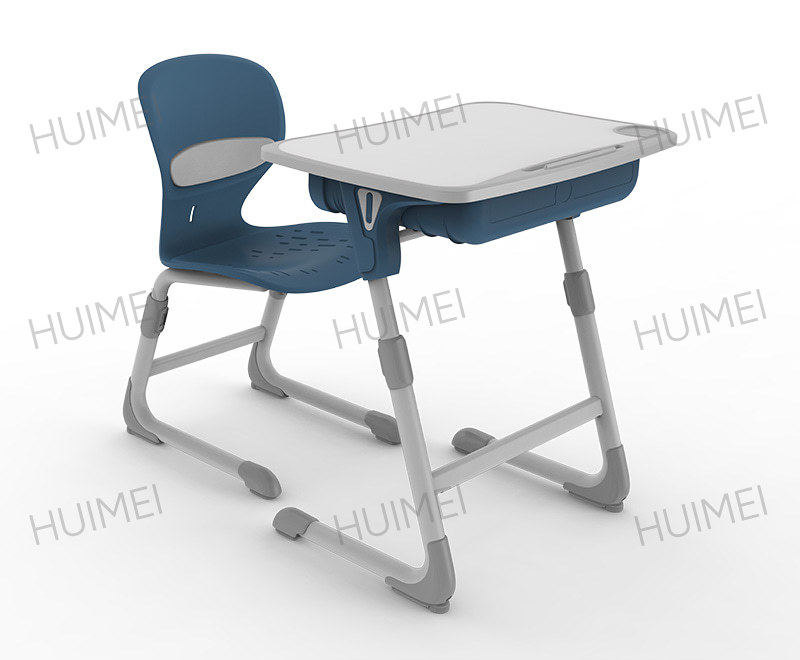
Pupitres y sillas escolares Por lo general, duran entre diez y quince años en uso activo en el aula, aunque la vida útil real depende en gran medida del material de la estructura, la calidad de la superficie de los asientos y la consistencia del mantenimiento de los muebles. Los escritorios y sillas con estructura de acero generalmente duran varios años más que las alternativas con estructura de madera. , ya que el acero resiste la deformación, la división y el aflojamiento de las juntas que experimentan los muebles de madera bajo el estrés diario repetido del uso de los estudiantes.
Las escuelas que siguen una rutina de mantenimiento programada, incluido el ajuste periódico de pernos y juntas, comúnmente extienden la vida útil de los muebles mucho más allá de los diez a quince años de referencia, mientras que los muebles que se dejan sin mantenimiento en aulas con mucho tráfico pueden mostrar desgaste significativo y problemas estructurales en tan solo cinco a siete años.
Contenido
- 1 Factores clave que determinan la vida útil de los muebles
- 2 Material del marco y su efecto sobre la longevidad
- 3 Patrones de desgaste de superficies de asientos y mesas
- 4 Prácticas de mantenimiento que prolongan la vida útil
- 5 Señales de que es necesario reemplazar los muebles
- 6 Elegir muebles duraderos desde el principio
- 7 Presupuesto para ciclos de reemplazo de muebles a largo plazo
Factores clave que determinan la vida útil de los muebles
Varias variables interactúan para determinar cuánto tiempo un conjunto de escritorios y sillas del aula permanecerá seguro y funcional. Comprender estos factores ayuda a las escuelas a tomar decisiones de compra y mantenimiento más informadas.
Factores primarios de vida
- El material del marco, con acero y polímero reforzado, generalmente supera a la construcción básica de madera.
- Intensidad de uso diario, ya que los grados más jóvenes a menudo someten los muebles a un trato más brusco.
- Frecuencia de reubicación, ya que los muebles que se mueven con frecuencia entre habitaciones experimentan más estrés en las articulaciones.
- Consistencia del mantenimiento, incluida la inspección periódica y el ajuste del hardware.
Los muebles utilizados en las aulas de primaria a menudo experimentan un desgaste más rápido que los muebles de grados superiores, ya que los estudiantes más jóvenes son más propensos a inclinar las sillas, arrastrar los escritorios por el suelo o aplicar una presión desigual en las articulaciones durante el uso regular.
Material del marco y su efecto sobre la longevidad
El material de la estructura elegido para los pupitres y sillas escolares tiene uno de los mayores impactos en la vida útil total, ya que determina qué tan bien los muebles resisten la flexión, el agrietamiento y las fallas en las juntas durante años de uso continuo.
Comparación de vida útil según el material del cuadro
| Estructura de tubo de acero | Normalmente de 12 a 18 años con mantenimiento de rutina |
| Marco de madera maciza | Normalmente de 8 a 12 años, dependiendo de la calidad de la madera y la construcción de las juntas. |
| Componentes de plástico o polímero reforzado. | Normalmente de 10 a 15 años, resistente a la deformación relacionada con la humedad |
Los marcos de acero generalmente mantienen su integridad estructural por más tiempo porque las uniones de acero soldadas o atornilladas resisten el aflojamiento que experimentan las uniones de madera a medida que el material se expande y contrae naturalmente con los cambios de humedad en el ambiente de un salón de clases a lo largo del tiempo.
Patrones de desgaste de superficies de asientos y mesas
Si bien el marco determina la longevidad estructural, la superficie del asiento y la mesa a menudo muestran un desgaste visible mucho antes de que el marco falle. Los rayones, el laminado agrietado y la decoloración son problemas cosméticos comunes que pueden afectar la apariencia de los muebles mucho antes de que se vuelvan estructuralmente inseguros.
Problemas comunes de desgaste por tipo de superficie
- Las mesas laminadas pueden astillarse o pelarse en los bordes después del impacto repetido de libros y suministros.
- Los asientos de plástico moldeado pueden decolorarse o desarrollar pequeñas grietas bajo una exposición prolongada al sol cerca de las ventanas.
- Las superficies metálicas pintadas pueden mostrar manchas de óxido si el revestimiento está rayado y hay humedad.
- Las superficies de chapa de madera son propensas a partirse si se exponen a fluctuaciones significativas de humedad.
Elegir muebles con tableros laminados de alta presión y asientos moldeados resistentes a los rayos UV puede extender significativamente la vida útil cosmética y funcional de un juego de muebles para el aula, ya que estos materiales resisten la degradación de la superficie que acorta la vida útil incluso cuando el marco permanece estructuralmente sólido.
Prácticas de mantenimiento que prolongan la vida útil
El mantenimiento de rutina juega un papel importante a la hora de determinar si el mobiliario escolar alcanza o supera su vida útil prevista. Muchos administradores de instalaciones pasan por alto controles simples que, si se realizan con regularidad, evitan que un desgaste menor se convierta en un problema estructural.
Programa de mantenimiento recomendado
- Inspeccione y apriete los pernos o tornillos flojos al comienzo de cada período escolar.
- Verifique la estabilidad de las patas de la silla y el escritorio en superficies de pisos duros
- Limpie las superficies con limpiadores adecuados no abrasivos para evitar dañar el laminado o los acabados de pintura.
- Rote los muebles entre las aulas periódicamente para distribuir el desgaste de manera más uniforme en todo el inventario.
Las escuelas que implementan un control de mantenimiento anual documentado a menudo reportan notablemente menos reemplazos de muebles año tras año. en comparación con las escuelas que solo abordan los problemas de mobiliario después de que ocurre una falla visible, según las prácticas de administración de instalaciones comúnmente compartidas entre los departamentos de mantenimiento del distrito escolar.
Señales de que es necesario reemplazar los muebles
Reconocer las señales de advertencia de muebles que se acercan al final de su vida útil ayuda a las escuelas a planificar presupuestos de reemplazo de manera proactiva en lugar de reactiva después de que ocurre un incidente de seguridad.
| Marco tambaleante o inestable | Indica fatiga en la unión o soldadura que el ajuste por sí solo ya no puede solucionar |
| Grietas visibles en la superficie del asiento o de la mesa. | Sugiere fatiga del material que puede empeorar con el uso continuo. |
| Óxido o corrosión en componentes metálicos. | Puede debilitar la resistencia estructural si no se trata con el tiempo |
| Bordes afilados debido a pintura o laminado desconchado | Representa un riesgo de seguridad para los estudiantes y debe abordarse con prontitud. |
Cualquier mueble que muestre tambaleo estructural o bordes afilados expuestos debe retirarse inmediatamente del uso en el aula, ya que estos problemas presentan un riesgo directo de seguridad para los estudiantes en lugar de una preocupación puramente cosmética.
Elegir muebles duraderos desde el principio
Las decisiones de compra tomadas en el momento de la adquisición tienen un efecto duradero en el tiempo que un juego de muebles permanecerá en servicio. La inversión inicial en materiales de mayor calidad a menudo reduce los costos totales de reemplazo durante el ciclo de vida del mobiliario de una escuela, incluso cuando el precio de compra inicial es más alto.
- Estructuras de tubos de acero con acabados con recubrimiento en polvo para resistencia a la corrosión.
- Tableros laminados de alta presión que resisten astillas y manchas
- Soldadura de unión reforzada en lugar de un simple montaje de tornillo y soporte
- Diseños de asientos ergonómicos que reducen la concentración desigual de estrés durante el uso regular.
Fabricantes como Huimei diseñan sus Pupitres y sillas escolares con estos factores de durabilidad integrados en la estructura y la superficie de la construcción, con el objetivo de ayudar a las escuelas a alcanzar o superar la vida útil típica de diez a quince años que se espera de los muebles de las aulas.
Presupuesto para ciclos de reemplazo de muebles a largo plazo
Dado que el mobiliario de las aulas no falla todo de repente, las escuelas se benefician al planificar presupuestos de reemplazo en torno a un ciclo continuo en lugar de reemplazar un inventario completo en un solo año. Este enfoque distribuye los costos a lo largo del tiempo y al mismo tiempo garantiza que los muebles que se acercan al final de su vida útil se atiendan antes de que se conviertan en un problema de seguridad.
Un plan de reemplazo por etapas, basado en datos de inspecciones periódicas y expectativas de vida útil típicas por tipo de material, permite a los administradores de instalaciones asignar el presupuesto de manera más predecible y al mismo tiempo mantener las aulas equipadas con muebles que permanezcan seguros, estables y cómodos para el uso diario de los estudiantes.
